BNQ Tokenomics

BNQ tokenomics are structured around community circulation, on-chain staking rewards, PancakeSwap LP liquidity, ecosystem development, team incentives, and ecosystem reserves.

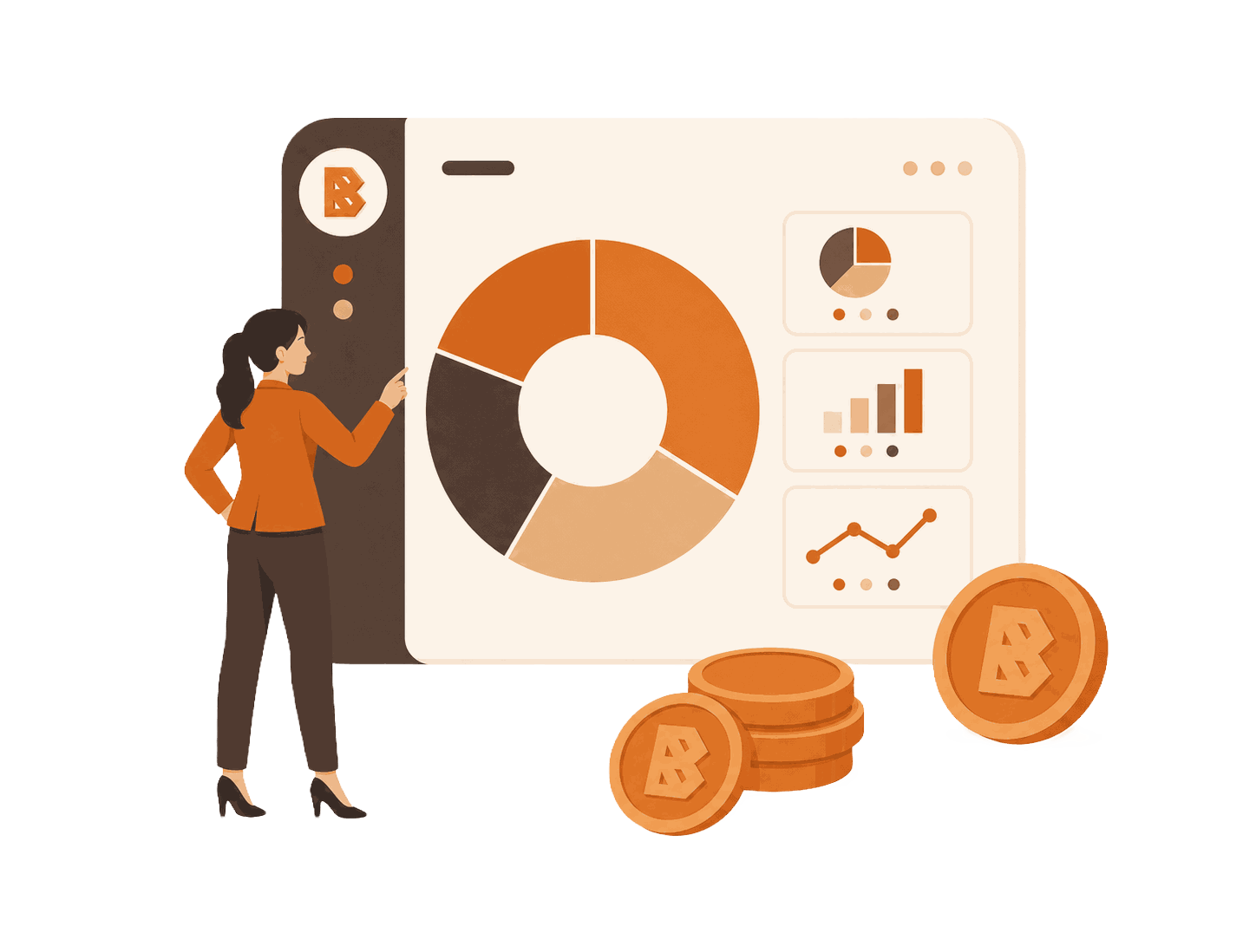
BNQ GLOBAL tokenomics hero visual

Allocation chart

Official BNQ allocation model.

Select any allocation to review its percentage, token amount, and stated ecosystem purpose.

1B

固定供应

Staking reward pool

The 200,000,000 BNQ pool supports 90-, 360-, and 720-day on-chain staking rewards. A five-year lock with rules-based smart contract release is recommended.
PancakeSwap

PancakeSwap LP liquidity

The 100,000,000 BNQ allocation supports establishing and expanding BNQ/USDT liquidity. Phased deployment and LP token locking are recommended.

LAB and team release guidance

The LAB and team allocations are each 50,000,000 BNQ. A one-year lock followed by 36-month linear release is recommended for both.

Ecosystem reserve

The 50,000,000 BNQ reserve supports marketing, partner incentives, exchange support, KOLs, airdrops, and ecosystem programs.

Revenue cycle

Ecosystem revenue sources and growth loop.

Revenue categories are presented as possible ecosystem activity sources. They should be understood as platform utility areas, not guaranteed income or token price outcomes.

DEX trading fees
PayFi transaction fees
Marketplace sales commissions
Affiliate marketing revenue
AI membership services
Merchant service fees
Advertising and brand partnerships

Buyback / burn / ecosystem growth cycle

Ecosystem activity can support a cycle where platform revenue funds ecosystem development, liquidity support, community incentives, buyback activity, and on-chain burn mechanisms where applicable.

Disclaimer: Tokenomics information is provided for ecosystem education and transparency. It is not financial advice, does not promise investment returns, and should not be read as a guarantee of token price, liquidity, revenue, or product launch timing.

Place tokenomics inside the long-term BNQ roadmap.

The roadmap shows how BNQ GLOBAL plans to move from Web3 infrastructure toward AI, PayFi, commerce, developer access, DAO, and global digital finance.